Buy prolombardia.eu ?
We are moving the project
prolombardia.eu .
Are you interested in purchasing the domain
prolombardia.eu ?
domain@kv-gmbh.de · 0541-91531010
Buy prolombardia.eu ?
What causes muscle soreness when cycling?
Muscle soreness when cycling is primarily caused by the repetitive motion and strain put on the muscles during the activity. This strain can lead to tiny tears in the muscle fibers, resulting in inflammation and soreness. Additionally, the buildup of lactic acid in the muscles during intense cycling can contribute to muscle soreness. Proper warm-up, stretching, and gradual increase in intensity can help reduce the likelihood of muscle soreness during and after cycling. **
What causes muscle soreness after basketball training?
Muscle soreness after basketball training is typically caused by microscopic damage to muscle fibers, which occurs when muscles are worked harder than they are used to. This damage leads to inflammation and the release of chemicals that can irritate nerve endings, resulting in the sensation of soreness. Additionally, the buildup of lactic acid in the muscles during intense exercise can contribute to muscle soreness. Proper warm-up, cool down, hydration, and stretching can help reduce muscle soreness after basketball training. **

Similar search terms for Soreness
Top-Angebote
Products related to Soreness:
-
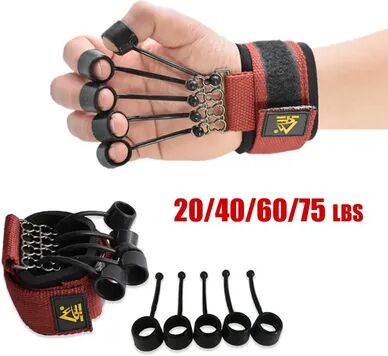
Healfit Counter Fitness Sports Finger Strength Exerciser, Finger Flexion Extension Trainer, Hand Rehabilitation Training Equipment 60 Lbs AccessoriesUnlock stronger fingers and faster recovery with this Finger Flexion Extension Trainer, your essential tool for improving hand strength, flexibility, and rehabilitation. Designed for athletes, musicians, gamers, or anyone recovering from injury,...22,97 $*Shipping: 0,00 $Secure redirect to the provider
-
Inspire Essentials Tibialis Trainer Tib Bar Strength Training Calf Raise Equipment Tibialis Trainer Tib Bar Strength Training Calf Raise EquipmentStronger lower legs start with targeted training. This specialized tibialis trainer is designed to help build strength in the oftenneglected tibialis anterior muscle, improving ankle stability, balance, and overall leg performance. Built for serious...128,50 $*Shipping: 0,00 $Secure redirect to the provider
-
StayWell Aluminum Alloy Swinging Rope, Durable Gym Equipment For Strength Training Aluminum Alloy Swinging Rope, Durable Gym Equipment For Strength Training"Elevate Your Strength Training with the Compact Steel Fitness Rope Designed for fitness enthusiasts seeking efficient and spacesaving equipment, this 15.7""inch ropefree training rope is a gamechanger for home and commercial gyms. Key Features:..."56,97 $*Shipping: 0,00 $Secure redirect to the provider
-
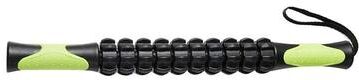
Uplifted Goods Why Choose Our Muscle Roller Stick For Recovery And Soreness Relief greenUnlike rigid rollers or foam rollers that require floor space, this stick lets you target muscles precisely while standing or sitting. You control pressure directly without having to shift your body weight. Perfect For Athletes and gym goers needing...69,97 $*Shipping: 0,00 $Secure redirect to the provider



-
"Does the soreness go away after training?"
Yes, soreness typically goes away after training as the body adapts to the physical stress and the muscles recover. This process is known as delayed onset muscle soreness (DOMS) and usually peaks within 24-72 hours after a workout before gradually subsiding. It's important to listen to your body and allow for proper rest and recovery to help alleviate soreness and prevent injury. Additionally, incorporating stretching, foam rolling, and proper nutrition can also help reduce soreness and aid in recovery. **
-
Is muscle soreness normal with regular training?
Yes, muscle soreness is normal with regular training, especially when starting a new exercise program or increasing the intensity or duration of workouts. This soreness, known as delayed onset muscle soreness (DOMS), is caused by microscopic damage to muscle fibers during exercise. It typically peaks 24-72 hours after a workout and can last for several days. However, as the body adapts to the training, the soreness should decrease over time. It's important to differentiate between normal muscle soreness and pain from injury, and to listen to your body and adjust your training as needed. **
-
What is muscle soreness in cardio training?
Muscle soreness in cardio training is the discomfort or pain experienced in the muscles after engaging in cardiovascular exercise. This soreness is often a result of the muscles being worked harder than they are used to, leading to microscopic damage and inflammation in the muscle fibers. It is a common and normal response to exercise, especially when starting a new workout routine or increasing the intensity or duration of the workout. Muscle soreness typically peaks 24-72 hours after the workout and gradually subsides as the muscles recover and adapt to the exercise. **
-
How can I prevent muscle soreness after training?
To prevent muscle soreness after training, it is important to properly warm up before exercising and cool down afterwards. Make sure to stretch your muscles before and after your workout to help prevent stiffness and soreness. Hydrating properly before, during, and after your workout can also help reduce muscle soreness. Additionally, gradually increasing the intensity and duration of your workouts can help prevent excessive muscle soreness. **

What does training look like with muscle soreness?
Training with muscle soreness can be challenging as it may limit your range of motion and overall performance. It is important to listen to your body and not push through intense soreness, as this can lead to injury. Lighter intensity workouts, focusing on different muscle groups, or incorporating activities like stretching or foam rolling can help alleviate soreness and aid in recovery. It's essential to prioritize rest and proper nutrition to allow your muscles to repair and grow stronger. **
What is said about muscle soreness after training?
Muscle soreness after training is a common phenomenon known as delayed onset muscle soreness (DOMS). It typically occurs 24-48 hours after a workout and is caused by microscopic damage to muscle fibers during exercise. While it can be uncomfortable, it is a normal part of the muscle repair and growth process. Proper rest, hydration, and nutrition can help alleviate muscle soreness and aid in recovery. **
Top-Angebote
Products related to Soreness:
-
Uplifted Goods Why Choose Our Muscle Roller Stick For Recovery And Soreness Relief orangeUnlike rigid rollers or foam rollers that require floor space, this stick lets you target muscles precisely while standing or sitting. You control pressure directly without having to shift your body weight. Perfect For Athletes and gym goers needing...69,97 $*Shipping: 0,00 $Secure redirect to the provider
-
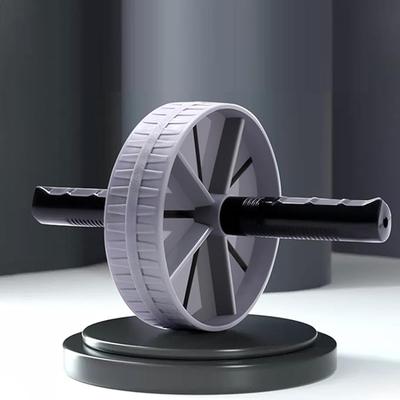
Healfit Counter Home Fitness Equipment, Abdominal Muscle Roller, ABS, Muscle Training, Weight Loss, Core Strength, Gym Accessories Home Fitness Equipment, Abdominal Muscle Roller, ABS, Muscle Training, Weight Loss, Core Strength, Gym AccessoriesTransform your home workouts with the Abdominal Muscle Roller crafted from durable ABS material. Designed to maximize your core strength, this versatile home fitness equipment is perfect for anyone looking to tone their abs, strengthen muscles, and...23,97 $*Shipping: 0,00 $Secure redirect to the provider
-
Healfit Counter Fitness Sports Finger Strength Exerciser, Finger Flexion Extension Trainer, Hand Rehabilitation Training Equipment 60 Lbs AccessoriesUnlock stronger fingers and faster recovery with this Finger Flexion Extension Trainer, your essential tool for improving hand strength, flexibility, and rehabilitation. Designed for athletes, musicians, gamers, or anyone recovering from injury,...22,97 $*Shipping: 0,00 $Secure redirect to the provider
-
Inspire Essentials Tibialis Trainer Tib Bar Strength Training Calf Raise Equipment Tibialis Trainer Tib Bar Strength Training Calf Raise EquipmentStronger lower legs start with targeted training. This specialized tibialis trainer is designed to help build strength in the oftenneglected tibialis anterior muscle, improving ankle stability, balance, and overall leg performance. Built for serious...128,50 $*Shipping: 0,00 $Secure redirect to the provider
-
What causes muscle soreness when cycling?
Muscle soreness when cycling is primarily caused by the repetitive motion and strain put on the muscles during the activity. This strain can lead to tiny tears in the muscle fibers, resulting in inflammation and soreness. Additionally, the buildup of lactic acid in the muscles during intense cycling can contribute to muscle soreness. Proper warm-up, stretching, and gradual increase in intensity can help reduce the likelihood of muscle soreness during and after cycling. **
-
What causes muscle soreness after basketball training?
Muscle soreness after basketball training is typically caused by microscopic damage to muscle fibers, which occurs when muscles are worked harder than they are used to. This damage leads to inflammation and the release of chemicals that can irritate nerve endings, resulting in the sensation of soreness. Additionally, the buildup of lactic acid in the muscles during intense exercise can contribute to muscle soreness. Proper warm-up, cool down, hydration, and stretching can help reduce muscle soreness after basketball training. **
-
"Does the soreness go away after training?"
Yes, soreness typically goes away after training as the body adapts to the physical stress and the muscles recover. This process is known as delayed onset muscle soreness (DOMS) and usually peaks within 24-72 hours after a workout before gradually subsiding. It's important to listen to your body and allow for proper rest and recovery to help alleviate soreness and prevent injury. Additionally, incorporating stretching, foam rolling, and proper nutrition can also help reduce soreness and aid in recovery. **
-
Is muscle soreness normal with regular training?
Yes, muscle soreness is normal with regular training, especially when starting a new exercise program or increasing the intensity or duration of workouts. This soreness, known as delayed onset muscle soreness (DOMS), is caused by microscopic damage to muscle fibers during exercise. It typically peaks 24-72 hours after a workout and can last for several days. However, as the body adapts to the training, the soreness should decrease over time. It's important to differentiate between normal muscle soreness and pain from injury, and to listen to your body and adjust your training as needed. **
Similar search terms for Soreness
-
StayWell Aluminum Alloy Swinging Rope, Durable Gym Equipment For Strength Training Aluminum Alloy Swinging Rope, Durable Gym Equipment For Strength Training"Elevate Your Strength Training with the Compact Steel Fitness Rope Designed for fitness enthusiasts seeking efficient and spacesaving equipment, this 15.7""inch ropefree training rope is a gamechanger for home and commercial gyms. Key Features:..."56,97 $*Shipping: 0,00 $Secure redirect to the provider
-
Uplifted Goods Why Choose Our Muscle Roller Stick For Recovery And Soreness Relief greenUnlike rigid rollers or foam rollers that require floor space, this stick lets you target muscles precisely while standing or sitting. You control pressure directly without having to shift your body weight. Perfect For Athletes and gym goers needing...69,97 $*Shipping: 0,00 $Secure redirect to the provider
-
Uplifted Goods Why Choose Our Muscle Roller Stick For Recovery And Soreness Relief blackUnlike rigid rollers or foam rollers that require floor space, this stick lets you target muscles precisely while standing or sitting. You control pressure directly without having to shift your body weight. Perfect For Athletes and gym goers needing...69,97 $*Shipping: 0,00 $Secure redirect to the provider
-
Healfit Counter Fitness Sports Finger Strength Exerciser, Finger Flexion Extension Trainer, Hand Rehabilitation Training Equipment 40 Lbs AccessoriesUnlock stronger fingers and faster recovery with this Finger Flexion Extension Trainer, your essential tool for improving hand strength, flexibility, and rehabilitation. Designed for athletes, musicians, gamers, or anyone recovering from injury,...22,97 $*Shipping: 0,00 $Secure redirect to the provider
-
What is muscle soreness in cardio training?
Muscle soreness in cardio training is the discomfort or pain experienced in the muscles after engaging in cardiovascular exercise. This soreness is often a result of the muscles being worked harder than they are used to, leading to microscopic damage and inflammation in the muscle fibers. It is a common and normal response to exercise, especially when starting a new workout routine or increasing the intensity or duration of the workout. Muscle soreness typically peaks 24-72 hours after the workout and gradually subsides as the muscles recover and adapt to the exercise. **
-
How can I prevent muscle soreness after training?
To prevent muscle soreness after training, it is important to properly warm up before exercising and cool down afterwards. Make sure to stretch your muscles before and after your workout to help prevent stiffness and soreness. Hydrating properly before, during, and after your workout can also help reduce muscle soreness. Additionally, gradually increasing the intensity and duration of your workouts can help prevent excessive muscle soreness. **
-
What does training look like with muscle soreness?
Training with muscle soreness can be challenging as it may limit your range of motion and overall performance. It is important to listen to your body and not push through intense soreness, as this can lead to injury. Lighter intensity workouts, focusing on different muscle groups, or incorporating activities like stretching or foam rolling can help alleviate soreness and aid in recovery. It's essential to prioritize rest and proper nutrition to allow your muscles to repair and grow stronger. **
-
What is said about muscle soreness after training?
Muscle soreness after training is a common phenomenon known as delayed onset muscle soreness (DOMS). It typically occurs 24-48 hours after a workout and is caused by microscopic damage to muscle fibers during exercise. While it can be uncomfortable, it is a normal part of the muscle repair and growth process. Proper rest, hydration, and nutrition can help alleviate muscle soreness and aid in recovery. **
* All prices are inclusive of VAT and, if applicable, plus shipping costs. The offer information is based on the details provided by the respective shop and is updated through automated processes. Real-time updates do not occur, so deviations can occur in individual cases. ** Note: Parts of this content were created by AI.