Buy prolombardia.eu ?
We are moving the project
prolombardia.eu .
Are you interested in purchasing the domain
prolombardia.eu ?
domain@kv-gmbh.de · 0541-91531010
Buy prolombardia.eu ?
Are Kazakhs a Turkic people?
Yes, Kazakhs are a Turkic people. They are one of the largest Turkic ethnic groups in Central Asia, with a majority of the population speaking the Kazakh language, which is a Turkic language. The Kazakhs have a shared history, culture, and linguistic roots with other Turkic peoples in the region. **
How similar are Turkic languages?
Turkic languages are similar in terms of their grammatical structure, vocabulary, and phonology. They share a common ancestor and have many cognates, making it easier for speakers of one Turkic language to understand and learn another. However, there are also significant differences among Turkic languages, especially in terms of phonological and lexical differences, as well as some grammatical variations. Despite these differences, the mutual intelligibility among Turkic languages allows for some level of communication and understanding between speakers of different Turkic languages. **
Similar search terms for Turkic
Top-Angebote
Products related to Turkic:
-
Inspire Essentials Tibialis Trainer Tib Bar Strength Training Calf Raise Equipment Tibialis Trainer Tib Bar Strength Training Calf Raise EquipmentStronger lower legs start with targeted training. This specialized tibialis trainer is designed to help build strength in the oftenneglected tibialis anterior muscle, improving ankle stability, balance, and overall leg performance. Built for serious...128,50 $*Shipping: 0,00 $Secure redirect to the provider
-
StayWell Aluminum Alloy Swinging Rope, Durable Gym Equipment For Strength Training Aluminum Alloy Swinging Rope, Durable Gym Equipment For Strength Training"Elevate Your Strength Training with the Compact Steel Fitness Rope Designed for fitness enthusiasts seeking efficient and spacesaving equipment, this 15.7""inch ropefree training rope is a gamechanger for home and commercial gyms. Key Features:..."56,97 $*Shipping: 0,00 $Secure redirect to the provider
-
Uplifted Finds U Shape Facial Jawline Exerciser Training Equipment whiteDefine and strengthen your facial profile with the Facial Pop N Go Jaw Exerciser, a specialized fitness tool designed to act as an efficient tool for jawline sculpting and facial muscle toning. Specifically engineered with a Ushaped ergonomic...55,97 $*Shipping: 0,00 $Secure redirect to the provider
-
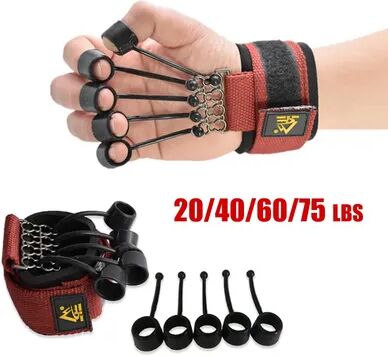
Healfit Counter Fitness Sports Finger Strength Exerciser, Finger Flexion Extension Trainer, Hand Rehabilitation Training Equipment 20 Lbs AccessoriesUnlock stronger fingers and faster recovery with this Finger Flexion Extension Trainer, your essential tool for improving hand strength, flexibility, and rehabilitation. Designed for athletes, musicians, gamers, or anyone recovering from injury,...22,97 $*Shipping: 0,00 $Secure redirect to the provider



-
Are Kazakhs a Turkic ethnic group?
Yes, Kazakhs are a Turkic ethnic group. They are descendants of Turkic tribes that migrated to the region of present-day Kazakhstan in the Middle Ages. The Kazakh language is also a Turkic language, belonging to the Kipchak branch of the Turkic language family. Additionally, Kazakh culture and traditions have strong Turkic influences, further solidifying their Turkic identity. **
-
Is Turkey really an ethnic Turkic people?
Turkey is a diverse country with a population that includes various ethnic groups, not just ethnic Turks. While the majority of the population in Turkey identifies as ethnic Turks, there are also significant Kurdish, Arab, and other minority populations. The concept of Turkish identity is complex and includes cultural, linguistic, and historical factors beyond just ethnic origin. Therefore, it is more accurate to say that Turkey is a multi-ethnic country with a dominant Turkish cultural and linguistic heritage. **
-
Do the Inuit belong to the Turkic peoples?
No, the Inuit do not belong to the Turkic peoples. The Inuit are indigenous peoples who primarily inhabit the Arctic regions of Canada, Greenland, and Alaska. They have their own distinct language, culture, and history that are different from the Turkic peoples, who are a group of ethnicities primarily located in Central Asia and parts of Eastern Europe. **
-
Do all Turkic peoples have the same roots?
No, not all Turkic peoples have the same roots. While they share a common linguistic and cultural heritage, Turkic peoples have diverse origins and histories. The Turkic language family originated in Central Asia, and Turkic peoples have migrated and settled in various regions over time, leading to different subgroups with distinct origins and influences. These subgroups include the Oghuz, Kipchak, and Karluk branches, among others, each with its own unique history and connections to different regions and cultures. **

Do the Scythians belong to the Turkic peoples?
The Scythians were an ancient nomadic people who lived in the Eurasian steppes from around the 9th century BC to the 4th century AD. While there are some linguistic and cultural similarities between the Scythians and Turkic peoples, they are not considered to be the same. The Scythians were an Indo-European group, while the Turkic peoples are a distinct language group that emerged later in history. Therefore, the Scythians are not considered to belong to the Turkic peoples. **
Which countries do the Turkic peoples belong to?
The Turkic peoples belong to countries such as Turkey, Azerbaijan, Kazakhstan, Uzbekistan, Turkmenistan, Kyrgyzstan, and parts of Russia, China, and Iran. These countries have significant populations of Turkic-speaking people who share a common cultural and linguistic heritage. The Turkic peoples have a rich history and have made significant contributions to the cultures and societies of these countries. **
Top-Angebote
Products related to Turkic:
-
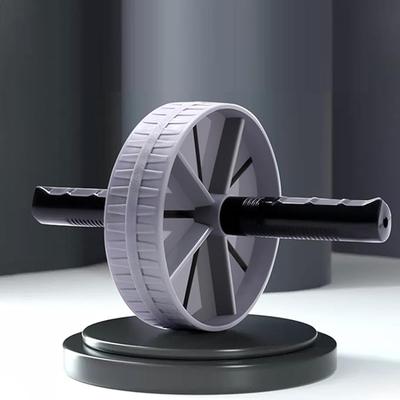
Healfit Counter Home Fitness Equipment, Abdominal Muscle Roller, ABS, Muscle Training, Weight Loss, Core Strength, Gym Accessories Home Fitness Equipment, Abdominal Muscle Roller, ABS, Muscle Training, Weight Loss, Core Strength, Gym AccessoriesTransform your home workouts with the Abdominal Muscle Roller crafted from durable ABS material. Designed to maximize your core strength, this versatile home fitness equipment is perfect for anyone looking to tone their abs, strengthen muscles, and...23,97 $*Shipping: 0,00 $Secure redirect to the provider
-
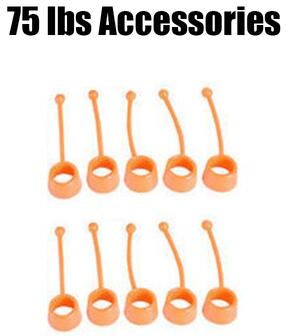
Healfit Counter Fitness Sports Finger Strength Exerciser, Finger Flexion Extension Trainer, Hand Rehabilitation Training Equipment 75 Lbs AccessoriesUnlock stronger fingers and faster recovery with this Finger Flexion Extension Trainer, your essential tool for improving hand strength, flexibility, and rehabilitation. Designed for athletes, musicians, gamers, or anyone recovering from injury,...22,97 $*Shipping: 0,00 $Secure redirect to the provider
-
Inspire Essentials Tibialis Trainer Tib Bar Strength Training Calf Raise Equipment Tibialis Trainer Tib Bar Strength Training Calf Raise EquipmentStronger lower legs start with targeted training. This specialized tibialis trainer is designed to help build strength in the oftenneglected tibialis anterior muscle, improving ankle stability, balance, and overall leg performance. Built for serious...128,50 $*Shipping: 0,00 $Secure redirect to the provider
-
StayWell Aluminum Alloy Swinging Rope, Durable Gym Equipment For Strength Training Aluminum Alloy Swinging Rope, Durable Gym Equipment For Strength Training"Elevate Your Strength Training with the Compact Steel Fitness Rope Designed for fitness enthusiasts seeking efficient and spacesaving equipment, this 15.7""inch ropefree training rope is a gamechanger for home and commercial gyms. Key Features:..."56,97 $*Shipping: 0,00 $Secure redirect to the provider
-
Are Kazakhs a Turkic people?
Yes, Kazakhs are a Turkic people. They are one of the largest Turkic ethnic groups in Central Asia, with a majority of the population speaking the Kazakh language, which is a Turkic language. The Kazakhs have a shared history, culture, and linguistic roots with other Turkic peoples in the region. **
-
How similar are Turkic languages?
Turkic languages are similar in terms of their grammatical structure, vocabulary, and phonology. They share a common ancestor and have many cognates, making it easier for speakers of one Turkic language to understand and learn another. However, there are also significant differences among Turkic languages, especially in terms of phonological and lexical differences, as well as some grammatical variations. Despite these differences, the mutual intelligibility among Turkic languages allows for some level of communication and understanding between speakers of different Turkic languages. **
-
Are Kazakhs a Turkic ethnic group?
Yes, Kazakhs are a Turkic ethnic group. They are descendants of Turkic tribes that migrated to the region of present-day Kazakhstan in the Middle Ages. The Kazakh language is also a Turkic language, belonging to the Kipchak branch of the Turkic language family. Additionally, Kazakh culture and traditions have strong Turkic influences, further solidifying their Turkic identity. **
-
Is Turkey really an ethnic Turkic people?
Turkey is a diverse country with a population that includes various ethnic groups, not just ethnic Turks. While the majority of the population in Turkey identifies as ethnic Turks, there are also significant Kurdish, Arab, and other minority populations. The concept of Turkish identity is complex and includes cultural, linguistic, and historical factors beyond just ethnic origin. Therefore, it is more accurate to say that Turkey is a multi-ethnic country with a dominant Turkish cultural and linguistic heritage. **
Similar search terms for Turkic
-
Uplifted Finds U Shape Facial Jawline Exerciser Training Equipment whiteDefine and strengthen your facial profile with the Facial Pop N Go Jaw Exerciser, a specialized fitness tool designed to act as an efficient tool for jawline sculpting and facial muscle toning. Specifically engineered with a Ushaped ergonomic...55,97 $*Shipping: 0,00 $Secure redirect to the provider
-
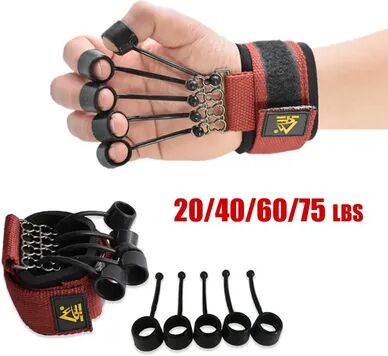
Healfit Counter Fitness Sports Finger Strength Exerciser, Finger Flexion Extension Trainer, Hand Rehabilitation Training Equipment 20 Lbs AccessoriesUnlock stronger fingers and faster recovery with this Finger Flexion Extension Trainer, your essential tool for improving hand strength, flexibility, and rehabilitation. Designed for athletes, musicians, gamers, or anyone recovering from injury,...22,97 $*Shipping: 0,00 $Secure redirect to the provider
-
Healfit Counter Fitness Sports Finger Strength Exerciser, Finger Flexion Extension Trainer, Hand Rehabilitation Training Equipment 60 Lbs AccessoriesUnlock stronger fingers and faster recovery with this Finger Flexion Extension Trainer, your essential tool for improving hand strength, flexibility, and rehabilitation. Designed for athletes, musicians, gamers, or anyone recovering from injury,...22,97 $*Shipping: 0,00 $Secure redirect to the provider
-
Healfit Counter Fitness Sports Finger Strength Exerciser, Finger Flexion Extension Trainer, Hand Rehabilitation Training Equipment 40 Lbs AccessoriesUnlock stronger fingers and faster recovery with this Finger Flexion Extension Trainer, your essential tool for improving hand strength, flexibility, and rehabilitation. Designed for athletes, musicians, gamers, or anyone recovering from injury,...22,97 $*Shipping: 0,00 $Secure redirect to the provider
-
Do the Inuit belong to the Turkic peoples?
No, the Inuit do not belong to the Turkic peoples. The Inuit are indigenous peoples who primarily inhabit the Arctic regions of Canada, Greenland, and Alaska. They have their own distinct language, culture, and history that are different from the Turkic peoples, who are a group of ethnicities primarily located in Central Asia and parts of Eastern Europe. **
-
Do all Turkic peoples have the same roots?
No, not all Turkic peoples have the same roots. While they share a common linguistic and cultural heritage, Turkic peoples have diverse origins and histories. The Turkic language family originated in Central Asia, and Turkic peoples have migrated and settled in various regions over time, leading to different subgroups with distinct origins and influences. These subgroups include the Oghuz, Kipchak, and Karluk branches, among others, each with its own unique history and connections to different regions and cultures. **
-
Do the Scythians belong to the Turkic peoples?
The Scythians were an ancient nomadic people who lived in the Eurasian steppes from around the 9th century BC to the 4th century AD. While there are some linguistic and cultural similarities between the Scythians and Turkic peoples, they are not considered to be the same. The Scythians were an Indo-European group, while the Turkic peoples are a distinct language group that emerged later in history. Therefore, the Scythians are not considered to belong to the Turkic peoples. **
-
Which countries do the Turkic peoples belong to?
The Turkic peoples belong to countries such as Turkey, Azerbaijan, Kazakhstan, Uzbekistan, Turkmenistan, Kyrgyzstan, and parts of Russia, China, and Iran. These countries have significant populations of Turkic-speaking people who share a common cultural and linguistic heritage. The Turkic peoples have a rich history and have made significant contributions to the cultures and societies of these countries. **
* All prices are inclusive of VAT and, if applicable, plus shipping costs. The offer information is based on the details provided by the respective shop and is updated through automated processes. Real-time updates do not occur, so deviations can occur in individual cases. ** Note: Parts of this content were created by AI.