Buy prolombardia.eu ?
We are moving the project
prolombardia.eu .
Are you interested in purchasing the domain
prolombardia.eu ?
domain@kv-gmbh.de · 0541-91531010
Buy prolombardia.eu ?
What are microscopes?
Microscopes are scientific instruments used to magnify and observe tiny objects that are not visible to the naked eye. They work by using lenses to focus light on the specimen, allowing for detailed examination of its structure and composition. Microscopes are commonly used in fields such as biology, medicine, chemistry, and materials science to study cells, microorganisms, crystals, and other small objects. There are different types of microscopes, including optical microscopes, electron microscopes, and scanning probe microscopes, each with its own specific capabilities and applications. **
What are the advantages and disadvantages of electron microscopes and light microscopes?
Electron microscopes have the advantage of higher resolution, allowing for the visualization of smaller structures such as individual molecules. They also have a greater magnification power compared to light microscopes. However, electron microscopes are more expensive, require specialized training to operate, and samples need to be placed in a vacuum, which can alter their natural state. On the other hand, light microscopes are more affordable, easier to use, and samples can be observed in their natural state without the need for special preparation. However, they have lower resolution and magnification capabilities compared to electron microscopes, limiting the ability to visualize very small structures. **

Similar search terms for Microscopes
Top-Angebote
Products related to Microscopes:
-
Inspire Essentials Tibialis Trainer Tib Bar Strength Training Calf Raise Equipment Tibialis Trainer Tib Bar Strength Training Calf Raise EquipmentStronger lower legs start with targeted training. This specialized tibialis trainer is designed to help build strength in the oftenneglected tibialis anterior muscle, improving ankle stability, balance, and overall leg performance. Built for serious...128,50 $*Shipping: 0,00 $Secure redirect to the provider
-
StayWell Aluminum Alloy Swinging Rope, Durable Gym Equipment For Strength Training Aluminum Alloy Swinging Rope, Durable Gym Equipment For Strength Training"Elevate Your Strength Training with the Compact Steel Fitness Rope Designed for fitness enthusiasts seeking efficient and spacesaving equipment, this 15.7""inch ropefree training rope is a gamechanger for home and commercial gyms. Key Features:..."56,97 $*Shipping: 0,00 $Secure redirect to the provider
-
Uplifted Finds U Shape Facial Jawline Exerciser Training Equipment whiteDefine and strengthen your facial profile with the Facial Pop N Go Jaw Exerciser, a specialized fitness tool designed to act as an efficient tool for jawline sculpting and facial muscle toning. Specifically engineered with a Ushaped ergonomic...55,97 $*Shipping: 0,00 $Secure redirect to the provider
-
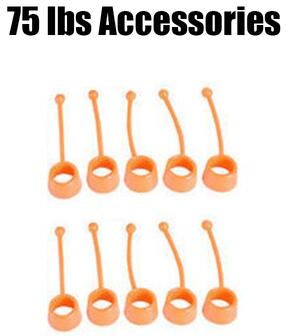
Healfit Counter Fitness Sports Finger Strength Exerciser, Finger Flexion Extension Trainer, Hand Rehabilitation Training Equipment 75 Lbs AccessoriesUnlock stronger fingers and faster recovery with this Finger Flexion Extension Trainer, your essential tool for improving hand strength, flexibility, and rehabilitation. Designed for athletes, musicians, gamers, or anyone recovering from injury,...22,97 $*Shipping: 0,00 $Secure redirect to the provider



-
Why do biologists use light microscopes, even though electron microscopes offer much higher magnification?
Biologists use light microscopes because they are more versatile and can be used to observe living organisms in their natural state. Light microscopes also allow for the observation of a wider range of samples, including transparent or unstained specimens. Additionally, light microscopes are more affordable and easier to use compared to electron microscopes, making them more accessible to a wider range of researchers. **
-
How many microscopes for bacteria are there?
There are several types of microscopes that can be used to observe bacteria, including light microscopes, electron microscopes, and fluorescence microscopes. Each type of microscope has its own advantages and limitations for studying bacteria. For example, light microscopes are commonly used for observing live bacteria, while electron microscopes provide higher resolution images but require specialized sample preparation. Overall, there are multiple options for studying bacteria using microscopy, each with its own unique capabilities. **
-
What is the field of application for microscopes?
Microscopes are used in a wide range of fields including biology, medicine, chemistry, geology, and material science. In biology and medicine, microscopes are used to study cells, tissues, and microorganisms. In chemistry, they are used to analyze the structure of molecules and materials. In geology, microscopes are used to study minerals and rocks, while in material science, they are used to examine the structure and properties of various materials. Overall, microscopes are essential tools for studying and understanding the microscopic world. **
-
Do microscopes and telescopes have the same principle?
Microscopes and telescopes operate on similar principles of using lenses to magnify objects, but they are designed for different purposes. Microscopes are used to magnify small objects such as cells and microorganisms, while telescopes are used to observe distant objects in space. Both instruments rely on the manipulation of light to produce magnified images, but their specific designs and functions are tailored to their intended use. **


In which professions do people work exclusively with microscopes?
People who work exclusively with microscopes can be found in professions such as microbiology, histology, pathology, and certain fields of chemistry and materials science. Microbiologists study microorganisms, histologists examine the microscopic structure of tissues, pathologists analyze tissue samples for diseases, and scientists in chemistry and materials science use microscopes to study the properties and structures of materials at the microscopic level. These professionals rely on microscopes to conduct their research and analysis, making them an essential tool in their work. **
What are the advantages and disadvantages of different types of microscopes?
The advantages of light microscopes include their affordability, ease of use, and ability to observe living organisms. However, they have limited magnification and resolution compared to electron microscopes. Electron microscopes, on the other hand, offer much higher magnification and resolution, allowing for the observation of smaller structures. However, they are expensive, require specialized training, and can only be used to observe non-living specimens. Scanning probe microscopes have the advantage of being able to observe surfaces at the atomic level, but they are also expensive and require a high level of expertise to operate. **
Top-Angebote
Products related to Microscopes:
-
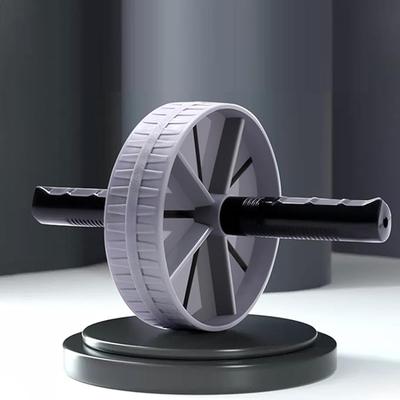
Healfit Counter Home Fitness Equipment, Abdominal Muscle Roller, ABS, Muscle Training, Weight Loss, Core Strength, Gym Accessories Home Fitness Equipment, Abdominal Muscle Roller, ABS, Muscle Training, Weight Loss, Core Strength, Gym AccessoriesTransform your home workouts with the Abdominal Muscle Roller crafted from durable ABS material. Designed to maximize your core strength, this versatile home fitness equipment is perfect for anyone looking to tone their abs, strengthen muscles, and...23,97 $*Shipping: 0,00 $Secure redirect to the provider
-
Healfit Counter Fitness Sports Finger Strength Exerciser, Finger Flexion Extension Trainer, Hand Rehabilitation Training Equipment 60 Lbs AccessoriesUnlock stronger fingers and faster recovery with this Finger Flexion Extension Trainer, your essential tool for improving hand strength, flexibility, and rehabilitation. Designed for athletes, musicians, gamers, or anyone recovering from injury,...22,97 $*Shipping: 0,00 $Secure redirect to the provider
-
Inspire Essentials Tibialis Trainer Tib Bar Strength Training Calf Raise Equipment Tibialis Trainer Tib Bar Strength Training Calf Raise EquipmentStronger lower legs start with targeted training. This specialized tibialis trainer is designed to help build strength in the oftenneglected tibialis anterior muscle, improving ankle stability, balance, and overall leg performance. Built for serious...128,50 $*Shipping: 0,00 $Secure redirect to the provider
-
StayWell Aluminum Alloy Swinging Rope, Durable Gym Equipment For Strength Training Aluminum Alloy Swinging Rope, Durable Gym Equipment For Strength Training"Elevate Your Strength Training with the Compact Steel Fitness Rope Designed for fitness enthusiasts seeking efficient and spacesaving equipment, this 15.7""inch ropefree training rope is a gamechanger for home and commercial gyms. Key Features:..."56,97 $*Shipping: 0,00 $Secure redirect to the provider
-
What are microscopes?
Microscopes are scientific instruments used to magnify and observe tiny objects that are not visible to the naked eye. They work by using lenses to focus light on the specimen, allowing for detailed examination of its structure and composition. Microscopes are commonly used in fields such as biology, medicine, chemistry, and materials science to study cells, microorganisms, crystals, and other small objects. There are different types of microscopes, including optical microscopes, electron microscopes, and scanning probe microscopes, each with its own specific capabilities and applications. **
-
What are the advantages and disadvantages of electron microscopes and light microscopes?
Electron microscopes have the advantage of higher resolution, allowing for the visualization of smaller structures such as individual molecules. They also have a greater magnification power compared to light microscopes. However, electron microscopes are more expensive, require specialized training to operate, and samples need to be placed in a vacuum, which can alter their natural state. On the other hand, light microscopes are more affordable, easier to use, and samples can be observed in their natural state without the need for special preparation. However, they have lower resolution and magnification capabilities compared to electron microscopes, limiting the ability to visualize very small structures. **
-
Why do biologists use light microscopes, even though electron microscopes offer much higher magnification?
Biologists use light microscopes because they are more versatile and can be used to observe living organisms in their natural state. Light microscopes also allow for the observation of a wider range of samples, including transparent or unstained specimens. Additionally, light microscopes are more affordable and easier to use compared to electron microscopes, making them more accessible to a wider range of researchers. **
-
How many microscopes for bacteria are there?
There are several types of microscopes that can be used to observe bacteria, including light microscopes, electron microscopes, and fluorescence microscopes. Each type of microscope has its own advantages and limitations for studying bacteria. For example, light microscopes are commonly used for observing live bacteria, while electron microscopes provide higher resolution images but require specialized sample preparation. Overall, there are multiple options for studying bacteria using microscopy, each with its own unique capabilities. **
Similar search terms for Microscopes
-
Uplifted Finds U Shape Facial Jawline Exerciser Training Equipment whiteDefine and strengthen your facial profile with the Facial Pop N Go Jaw Exerciser, a specialized fitness tool designed to act as an efficient tool for jawline sculpting and facial muscle toning. Specifically engineered with a Ushaped ergonomic...55,97 $*Shipping: 0,00 $Secure redirect to the provider
-
Healfit Counter Fitness Sports Finger Strength Exerciser, Finger Flexion Extension Trainer, Hand Rehabilitation Training Equipment 75 Lbs AccessoriesUnlock stronger fingers and faster recovery with this Finger Flexion Extension Trainer, your essential tool for improving hand strength, flexibility, and rehabilitation. Designed for athletes, musicians, gamers, or anyone recovering from injury,...22,97 $*Shipping: 0,00 $Secure redirect to the provider
-
Healfit Counter Fitness Sports Finger Strength Exerciser, Finger Flexion Extension Trainer, Hand Rehabilitation Training Equipment 20 Lbs AccessoriesUnlock stronger fingers and faster recovery with this Finger Flexion Extension Trainer, your essential tool for improving hand strength, flexibility, and rehabilitation. Designed for athletes, musicians, gamers, or anyone recovering from injury,...22,97 $*Shipping: 0,00 $Secure redirect to the provider
-
Healfit Counter Fitness Sports Finger Strength Exerciser, Finger Flexion Extension Trainer, Hand Rehabilitation Training Equipment 40 Lbs AccessoriesUnlock stronger fingers and faster recovery with this Finger Flexion Extension Trainer, your essential tool for improving hand strength, flexibility, and rehabilitation. Designed for athletes, musicians, gamers, or anyone recovering from injury,...22,97 $*Shipping: 0,00 $Secure redirect to the provider
-
What is the field of application for microscopes?
Microscopes are used in a wide range of fields including biology, medicine, chemistry, geology, and material science. In biology and medicine, microscopes are used to study cells, tissues, and microorganisms. In chemistry, they are used to analyze the structure of molecules and materials. In geology, microscopes are used to study minerals and rocks, while in material science, they are used to examine the structure and properties of various materials. Overall, microscopes are essential tools for studying and understanding the microscopic world. **
-
Do microscopes and telescopes have the same principle?
Microscopes and telescopes operate on similar principles of using lenses to magnify objects, but they are designed for different purposes. Microscopes are used to magnify small objects such as cells and microorganisms, while telescopes are used to observe distant objects in space. Both instruments rely on the manipulation of light to produce magnified images, but their specific designs and functions are tailored to their intended use. **
-
In which professions do people work exclusively with microscopes?
People who work exclusively with microscopes can be found in professions such as microbiology, histology, pathology, and certain fields of chemistry and materials science. Microbiologists study microorganisms, histologists examine the microscopic structure of tissues, pathologists analyze tissue samples for diseases, and scientists in chemistry and materials science use microscopes to study the properties and structures of materials at the microscopic level. These professionals rely on microscopes to conduct their research and analysis, making them an essential tool in their work. **
-
What are the advantages and disadvantages of different types of microscopes?
The advantages of light microscopes include their affordability, ease of use, and ability to observe living organisms. However, they have limited magnification and resolution compared to electron microscopes. Electron microscopes, on the other hand, offer much higher magnification and resolution, allowing for the observation of smaller structures. However, they are expensive, require specialized training, and can only be used to observe non-living specimens. Scanning probe microscopes have the advantage of being able to observe surfaces at the atomic level, but they are also expensive and require a high level of expertise to operate. **
* All prices are inclusive of VAT and, if applicable, plus shipping costs. The offer information is based on the details provided by the respective shop and is updated through automated processes. Real-time updates do not occur, so deviations can occur in individual cases. ** Note: Parts of this content were created by AI.